Speed vs. Hospitality: how to stay fast without feeling cold
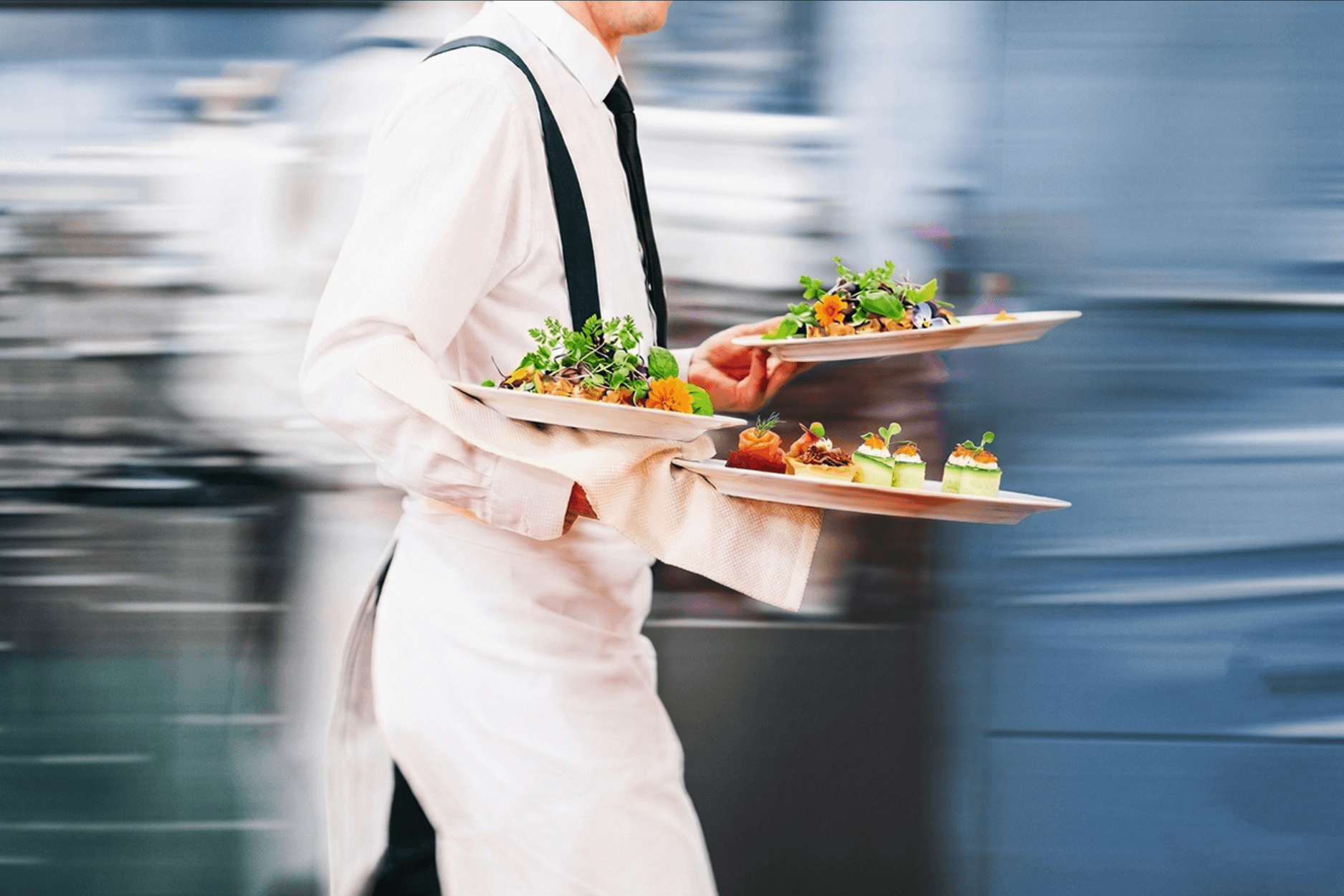
Fast service and warm service are not opposites. In practice, warmth is often what makes speed feel faster.
In quick-service environments, research regularly shows that “soft factors” like friendliness can strongly influence perceived experience. For example, Intouch Insight reported overall satisfaction improvements in its drive-thru research and explicitly highlighted friendliness as a performance factor.
And here’s the part teams forget: accuracy is speed. SeeLevel HX reported drive-thru order accuracy at 85% in one annual study, and found inaccurate orders added time (accurate orders were received about 71 seconds faster).
Even though those examples come from drive-thru contexts, the operational truth carries into counter service and high-volume dining: when people repeat themselves, correct mistakes, or wait without updates, speed collapses and warmth disappears.
Tactics to stay fast and human
1) Replace “friendly” with “clear”
Warmth under pressure is mostly clarity:
“Got it. Two minutes on fries. I’ll bring it to you.”
“We’re at 12 minutes right now. Do you want dine-in or to-go?”
2) Use the 3-line hospitality loop
Acknowledge: “Thanks for waiting.”
Guide: “Here’s what happens next.”
Close: “You’re all set. Enjoy.”
3) Give time updates before people ask
Silence is what feels cold. A 5-second update prevents a 5-minute complaint.
4) Build a “mistake firewall”
One small checkpoint beats big apologies:
read-back modifiers
confirm table number/name
final bag/plate check (sauces, cutlery, napkins)
5) End with control
Even in QSR, guests love control:
“Want sauces in the bag or on the side?”
“Receipt printed or not?”
Speed is mechanical. Hospitality is emotional. The best operators engineer both: fewer errors, fewer unknowns, and a calmer guest who feels taken care of even when the line is long.