Consistency Beats Perfection: Optimizing the restaurant CX system
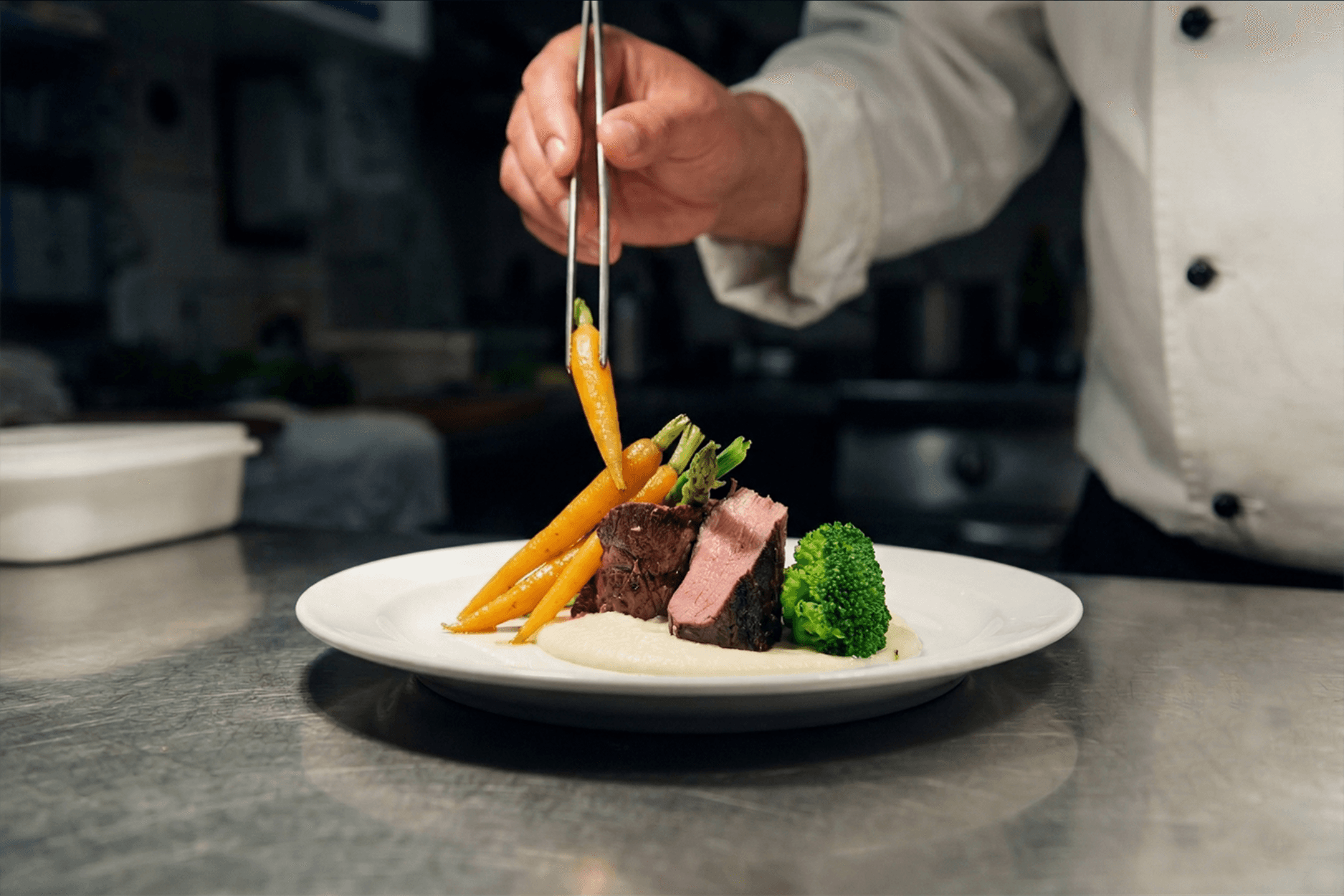
Restaurants don’t lose guests because they’re imperfect. Guests expect small imperfections. What they don’t tolerate is randomness: the “it depends who you get” experience.
Perfection is a training fantasy. Consistency is an operating system.
Why busy shifts break experience
In a rush, people don’t rise to the level of the manual. They fall to the level of the system:
roles blur (“Who’s watching tables 10–15?”)
standards become optional (“No time for check-backs”)
communication degrades (“I thought you ran the food”)
So the goal isn’t more training decks. It’s small rituals that keep quality stable when pressure spikes.
The consistency system (simple, repeatable)
1) Role clarity in one sentence
Every shift, every person should know:
“My job is X, and my backup is Y.”
Example: “I own section A; I also run drinks for any stalled tables.”
2) Three-point “golden check” (not a long checklist)
Pick three non-negotiables that predict guest happiness and prevent rework:
order accuracy (modifiers, sides, allergies)
speed expectations (set and updated)
table touchpoints (greet, check-back, close)
3) Micro-huddles, not meetings
A 90-second pre-shift huddle:
what will be busy (reservations, large parties)
one focus (accuracy, warmth, upsell)
one risk (short staff, new menu items)
4) Tiny recovery script
When something goes wrong, the fastest fix is clarity:
acknowledge
state what will happen next
give a time promise you can keep
5) Feedback loop by shift
Don’t review issues weekly. Review them by shift pattern:
“Saturday late seating complaints”
“Weekday lunch ticket times”
“Server handoff errors after 8pm”
Consistency doesn’t require hero employees. It requires a system that makes the “right thing” the easiest thing, even when the restaurant is on fire.