


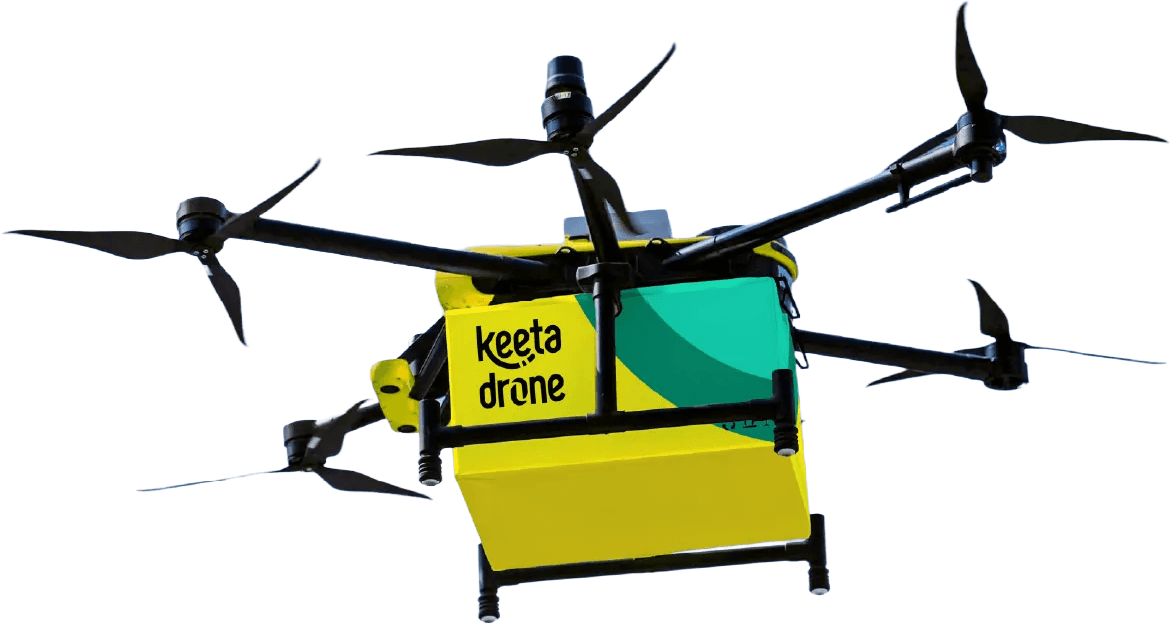
What makes Keeta different
A well-funded challenger with a very specific user base
Keeta entered Saudi Arabia with unlimited free delivery, sign-up vouchers, and ongoing promotions. This attracted a large base of price-sensitive, high-frequency customers who order often, rate quickly, and churn fast if the experience disappoints.
These customers are conditioned to expect fast, cheap, reliable delivery. When reality falls short, the feedback is direct and immediate — quick ratings that directly affect your restaurant's visibility on a platform growing faster than any other in the market.

Feedback Intelligence
The Keeta complaint profile in KSA
Every delivery platform generates a slightly different complaint signature based on its user base and expectations. Keeta's profile in KSA has some distinctive characteristics that set it apart from HungerStation and Google.
01
Delivery time expectations — Keeta-amplified
Keeta's marketing emphasizes speed. When the actual delivery time exceeds the app's estimate, the gap between expectation and reality is often wider on Keeta than on platforms where customers have lower speed expectations.
02
Order accuracy — compounded by frequency
Missing items and wrong orders are universal across delivery apps. On Keeta, the high order frequency per customer means a single customer may encounter this issue multiple times in a month, compounding the negative perception.
03
Food temperature and packaging
Same as other delivery platforms, but amplified by the KSA climate. Summer months (May through September) with temperatures regularly exceeding 45°C make temperature management during delivery critical.
04
Value perception — deal-user specific
Because Keeta attracts deal-driven customers, there is heightened sensitivity to portion sizes, item quality relative to price, and any perception that the delivery version of a dish is lesser than the dine-in version.
05
Platform-specific friction
As a newer platform, some customers report issues with the app itself, order tracking, or communication with drivers. The negative review often lands on the restaurant's rating rather than the platform's.
If you are only monitoring Google and HungerStation, you are missing the speed-and-value complaints that Keeta's user base generates. Those complaints point to a specific type of customer who orders frequently, switches easily, and represents a significant revenue stream if retained.
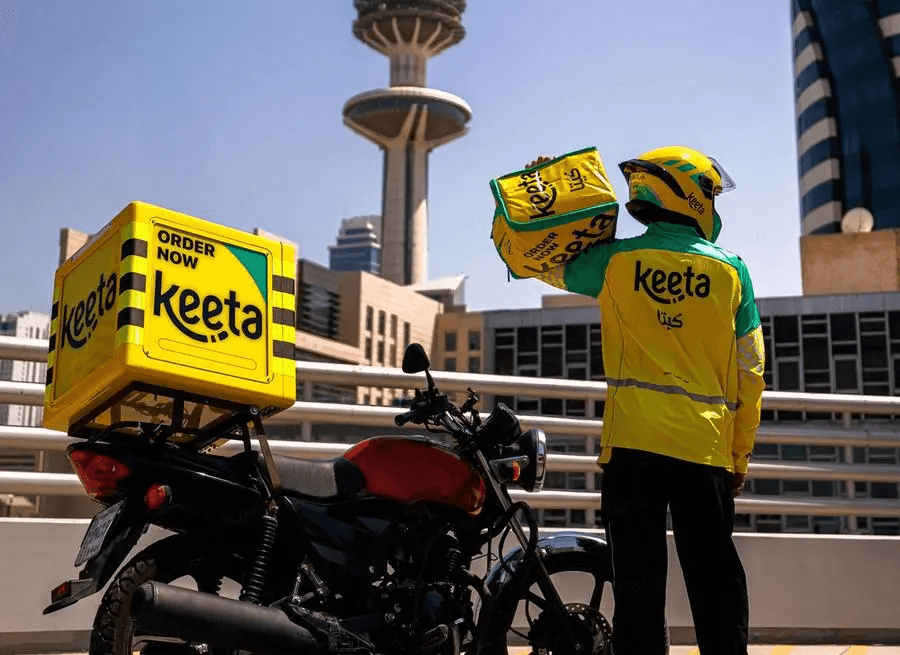
Keeta-specific fixes
Fixes for Keeta's distinct challenges
Issue — Keeta-amplified
Speed expectation gap
Keeta's marketing creates higher speed expectations than other platforms. When the actual delivery time exceeds the estimate, the negative review effect is stronger on Keeta than on HungerStation or Jahez.
Fix
Accurate prep time settings
Audit your average preparation time by daypart and day of week. Set realistic prep time estimates in your Keeta partner settings. During peak hours, consider temporarily adjusting availability if you cannot meet your stated window.
Issue — first impressions
Acquisition menu performance
Keeta drives a higher proportion of first-time customers than established platforms. Your most-ordered items on Keeta are effectively your acquisition menu — and a bad first experience is rarely recovered.
Fix
Optimize your first-impression items
Identify which items are most frequently ordered by new Keeta customers. Ensure those items travel well — good packaging, consistent quality, not temperature-sensitive. If specific promotional items generate disproportionate complaints, reconsider the promotion.
Issue — volume surges
Platform-wide promotion spikes
Keeta regularly runs platform-wide promotions that spike order volume. If your kitchen is not prepared, these spikes translate directly into complaints: longer prep times, more errors under pressure, rushed packaging.
Fix
Promotion-day protocols
Monitor Keeta's promotional calendar to anticipate volume surges. Have a peak-hour protocol ready: dedicated packing station, simplified delivery menu during surges, additional staff on high-promotion days.