The Real Cost of Inconsistent Service Across Restaurant Locations
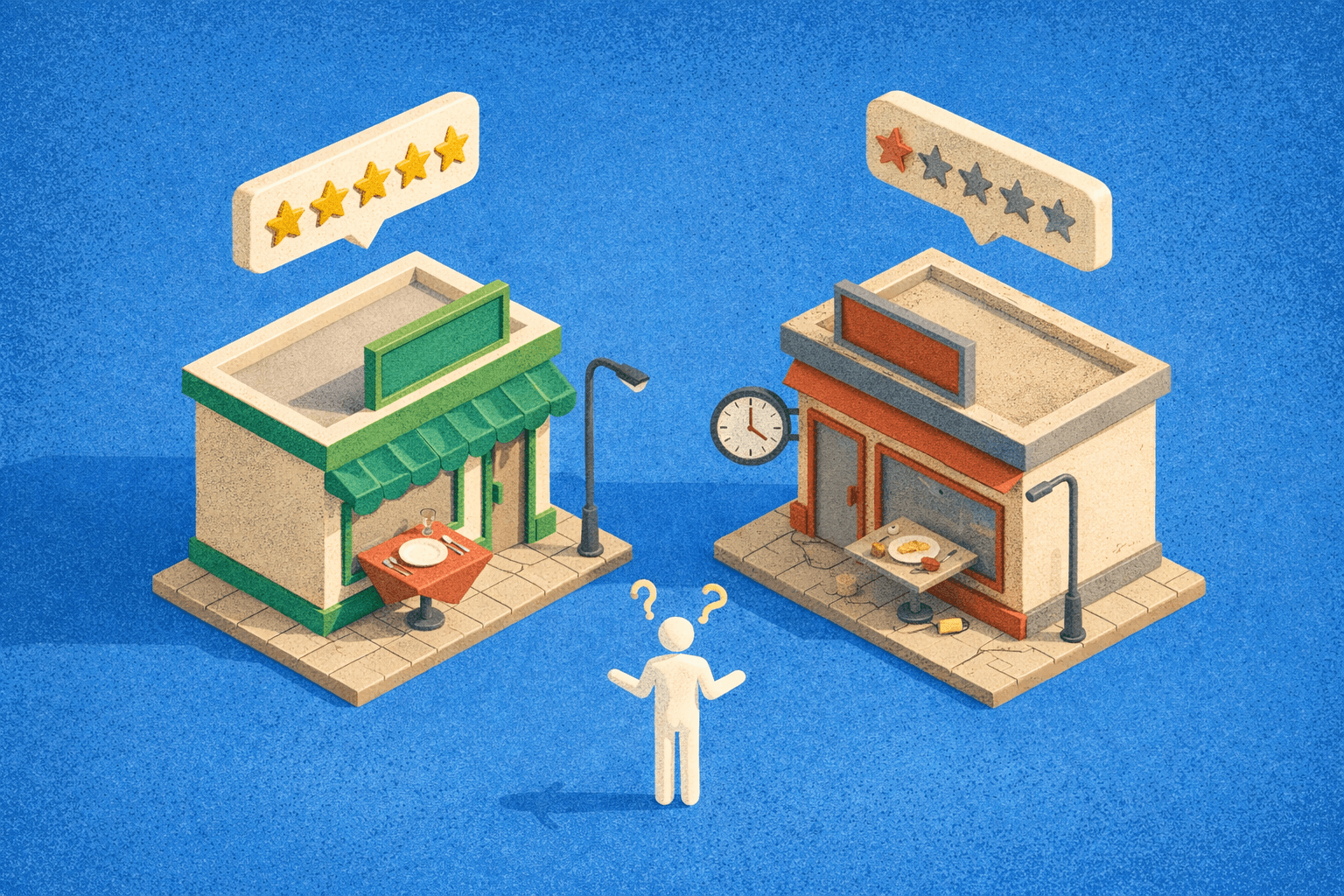
Inconsistency rarely comes from a single source. It is usually the result of multiple small deviations that accumulate over time.
Kitchen execution is the most common area. Portion sizes drift. Cooking times vary. Plating standards relax. A dish that is excellent at one location tastes noticeably different at another. Customers notice, even if they cannot articulate exactly what changed.
Service standards are the second major source. How quickly are customers greeted? How is the menu presented? How are complaints handled? Without consistent training and reinforcement, each branch develops its own norms, and those norms gradually diverge from what the brand intended.
Operational cleanliness and maintenance create the third layer. The restaurant that was spotless during its opening month is not always spotless six months later. Maintenance requests pile up. Cleaning routines get shortened during busy shifts. The physical environment slowly degrades, and customers feel it before they can name it.
Why Traditional Quality Control Fails at Scale
Most multi-location operators rely on some combination of mystery shoppers, periodic audits, and area manager visits to maintain quality. These methods have a fundamental problem: they are snapshots, not streams.
A mystery shopper visits once a month and produces a report that reflects one experience on one day. The area manager visits once a week and sees the restaurant at its best (because staff know the manager is coming). Monthly audits catch problems that have already been affecting customers for weeks.
The alternative is continuous feedback. When you have real-time visibility into what customers are saying about each location across Google, delivery apps, social media, and internal surveys, you are not waiting for an auditor to tell you there is a problem. You are seeing it as it happens, from the customer's perspective.
The Consistency Playbook for Multi-Location Brands
Operators who maintain high consistency across 20, 50, or 100 locations share several practices in common.
They define brand standards in terms of customer outcomes, not just operational processes. Instead of 'greet the customer within 30 seconds,' they measure whether customers report feeling welcomed. Instead of 'food should be served within 15 minutes,' they track whether customers mention wait times in their feedback. Outcomes are what customers actually experience. Processes are just how you get there.
They monitor feedback by location in real time, not monthly. When a specific branch starts generating more complaints about food quality, they know within days, not weeks. This allows them to intervene before a trend becomes a pattern.
They use comparative analysis across locations to identify both problems and best practices. If Branch A consistently outperforms Branch B on service speed, understanding why, and replicating what Branch A does differently, is more valuable than any training manual.
They close the loop. Identifying a problem is only half the value. The other half is tracking whether the fix actually worked. Did the complaint rate at Branch B decrease after the intervention? Did customer sentiment improve? Without closing this loop, you are managing by hope, not by data.
Consistency as a Competitive Advantage
In a competitive market, consistency is not just about avoiding losses. It is a genuine competitive advantage. When customers know they will get the same experience at any of your locations, they develop trust. That trust translates into higher visit frequency, stronger word-of-mouth, and a willingness to forgive the occasional mistake.
The brands that scale successfully are not the ones with the most creative menus or the most Instagram-worthy interiors. They are the ones that deliver a reliably good experience, every time, at every location. In a world where customers have unlimited choices and zero switching costs, reliability is the ultimate differentiator.
--
Wondering how consistent your locations really are? Take Sira's free CX Health Check to get a quick assessment of your customer experience across branches.