Fix the Items That Kill Repeat Orders with Customer Intelligence
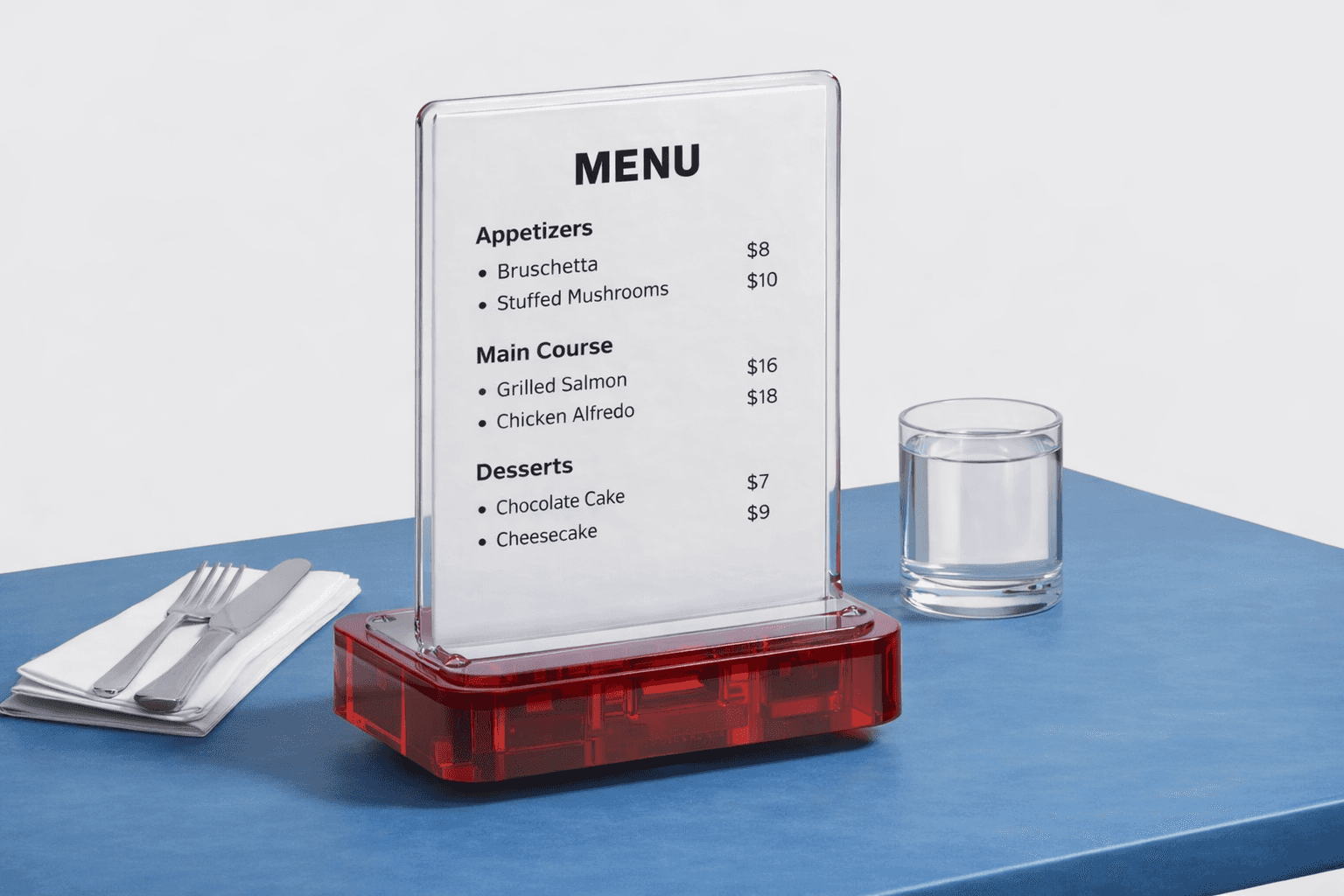
When customers complain, they rarely say: “This menu item has operational risk.”
They say:
“Not worth the price.”
“Used to be better.”
“Arrived cold.”
“Too small.”
“Different every time.”
Over time, that becomes a rating problem. BrightLocal’s consumer research commentary notes many people look for around a 4.0 average rating as a baseline. (BrightLocal)
The 3-list method (the simplest way to optimize a menu)
Run this once a month using feedback from Google + delivery + surveys:
1) Heroes (double down)
Items with repeated praise. Feature them in photos, bundles, and ads—then standardize how they’re made so they stay great.
2) Fixables (repair)
Items with one dominant complaint theme (portion size, seasoning, consistency, packaging). Fix the one thing properly, spec, prep, training, or packaging.
3) Liabilities (remove or relaunch)
Items with repeat high-friction complaints (“never again”, “waste of money”, “always wrong”). Either remove them or relaunch with a real change, not a cosmetic tweak.
The move most restaurants miss: split by channel
An item can be a hero dine-in and a liability in delivery. Delivery complaints are often packaging + heat retention, not taste. If you don’t separate channels, you “fix” the wrong thing.
Where Sira Helps
Sira connects feedback to menu items and complaint themes, so menu decisions become evidence-based, not opinions.
How do I use customer feedback to improve my restaurant menu?
Group feedback by item, find repeat themes, then classify items into Heroes/Fixables/Liabilities.
Should I respond to reviews?
BrightLocal found consumers are more likely to use businesses that respond to all reviews vs none. (BrightLocal)